A collection of smaller technical projects exploring web based XR, VR environment realism, and algorithmic 3D workflows.
These projects demonstrate prototyping, validation, and delivery for novel interactive systems where the technical path is uncertain.
![[background image] image of a digital display screen with marketing visuals (for an ai marketing tech company)](../images/unnamed-5.png)
![[background image] introspective workspace with architectural elements](../images/unnamed-6.png)
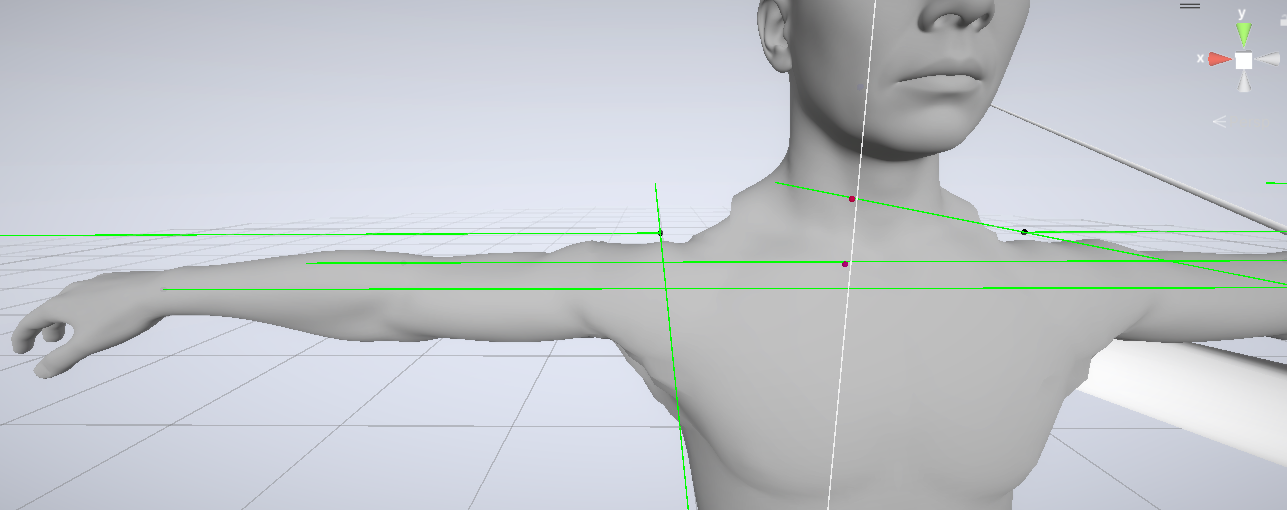
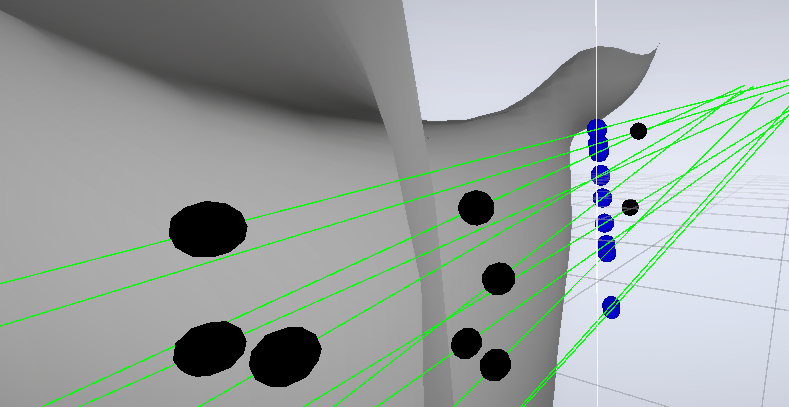
Designed and developed autofitting algorithms for Genera Labs to streamline the process of adapting digital garments to different avatar shapes and sizing requirements.
The system explored geometry driven fitting logic, proportional body analysis, and automated garment adjustment workflows to reduce manual preparation time and make digital clothing assets more reusable across varied characters and product configurations.
Key focus: 3D geometry, procedural fitting, automation, avatar systems, scalable asset workflows and digital fashion infrastructure.

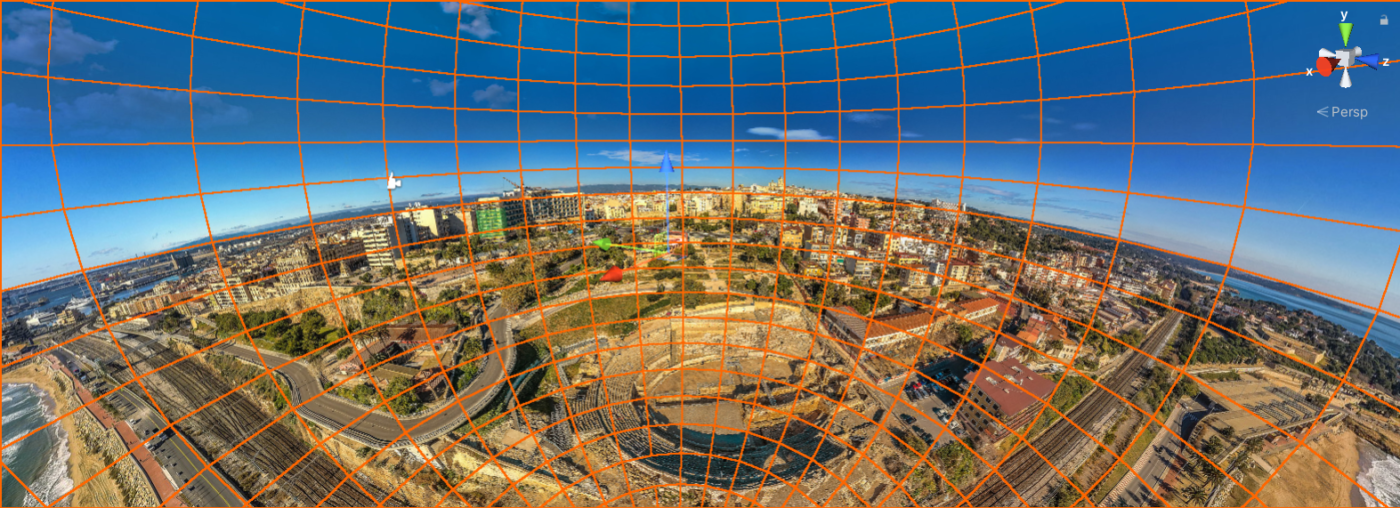
A high resolution VR skybox approach for a photorealistic virtual environment, solving the problem of standard 360 imagery appearing too soft when stretched across a headset visible sphere.
The system used a 64k backdrop assembled from eight stitched 8k images, divided into 900 independently managed skybox sections. By combining careful UV mapping with sectioned occlusion culling, the project delivered a sharp immersive backdrop while limiting the amount of skybox geometry and texture detail rendered at any one time.
Key focus: VR visual fidelity, performance optimisation, high resolution environment rendering and occlusion culling.
Blog Post:
https://corporationpop.co.uk/thoughts/64k-patchwork-skybox
![[background image] image of a digital display screen with marketing visuals (for an ai marketing tech company)](../images/Screenshot-2026-06-10-105121.png)
Developed a mobile web XR prototype that used the phone camera to blend physical tabletop play with virtual dice simulation. The experiment focused on making augmented interactions accessible through the browser, using camera contexts, surface placement, touch input, and real time dice behaviour to test how tabletop game mechanics could be extended without requiring a native app install.
Key focus: WebXR experimentation, AR interaction design, mobile browser constraints, real time physics, and tabletop game prototyping.